Newsletter: Unlock Deeper Relaxation and Lasting Relief with Myofascial Swedish Massage

When it comes to massage therapy, not all techniques are created equal. Understanding the differences between modalities can help you choose the right approach for your body and your goals.
Myofascial Release + Trigger Point Therapy
Myofascial release focuses on gently stretching and releasing the fascia, the connective tissue that surrounds muscles and organs. Over time, stress, injury, or repetitive movements can tighten fascia, causing pain, stiffness, or restricted movement.
Trigger point therapy is often incorporated into myofascial work to target specific knots(trigger points) in the musclesthose tender spots that can radiate pain elsewhere in the body. By holding and releasing these points, tension eases and mobility improves.
Swedish Massage
Swedish massage is a classic approach that uses long, flowing strokes and kneading to promote relaxation, improve circulation, and reduce overall stress. It's the technique most people think of when they hear massage, and it's excellent for soothing the nervous system and helping the body feel calm and refreshed.
Why Combining Them Works: Myofascial Swedish
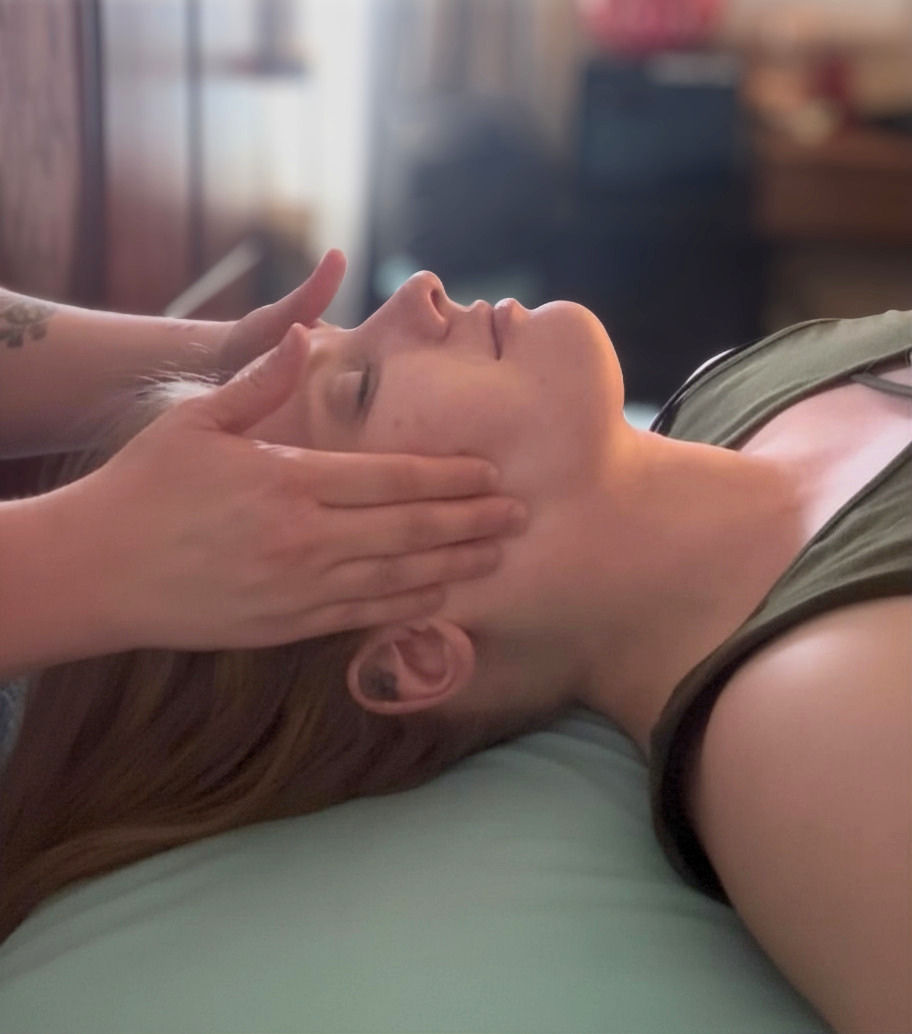
By blending myofascial release and trigger point therapy with Swedish massage, Myofascial Swedish offers the best of both worlds. While Swedish massage helps relax muscles and calm the nervous system, myofascial and trigger point work address deeper restrictions and pain points. The result is longer-lasting relief, improved movement, and a truly restorative experience.
Whether you're dealing with chronic tension, recovering from injury, or simply seeking a deeper sense of relaxation, Myofascial Swedish massage can help your body feel both free and balanced.
Ready to experience the difference? Book your Myofascial Swedish massage today and feel the unique benefits of these combined techniques.
Warmly,
Christie


Comments